36+ years of retina care experience
Dr. Gajendra Chawla brings more than 36 years of ophthalmology experience to diabetic retinopathy assessment, retinal laser and vitreo-retinal care.
Diabetic eye clinic
Get a dilated retinal assessment, clear disease staging and a treatment plan that may include monitoring, injections, retinal laser or vitrectomy when clinically indicated.
Dr. Gajendra Chawla brings more than 36 years of ophthalmology experience to diabetic retinopathy assessment, retinal laser and vitreo-retinal care.
The retina team combines formal vitreo-retina fellowship training with experience in diabetic eye disease, imaging, laser, injections and surgery planning.
Observation, injections, laser and surgery have different roles. The plan is based on retinal findings, vision and the risk of progression.
Quick answer
Diabetic retinopathy is treatable and its progression can often be controlled, but established retinal damage or vision loss may not be fully reversible. Diabetes remains a lifelong risk, so blood-sugar, blood-pressure and cholesterol control must continue alongside retina follow-up. Depending on the stage, injections, retinal laser or vitrectomy may protect vision and sometimes improve it. Earlier detection usually gives the retina specialist more options.
What is diabetic retinopathy?
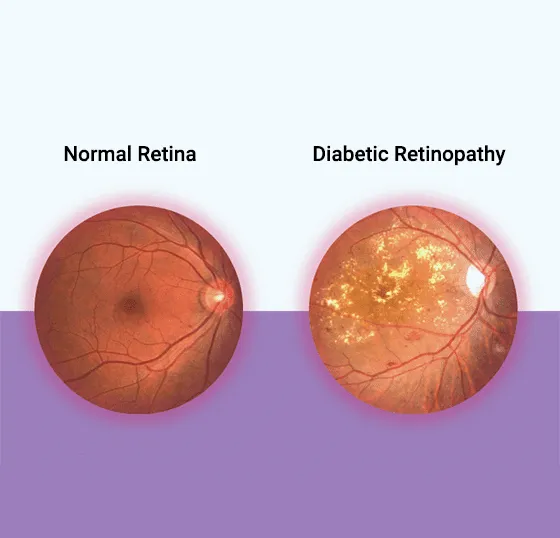
Diabetic retinopathy is a serious diabetes-related eye disease that damages the tiny blood vessels of the retina due to high blood sugar levels. In early stages, there may be no pain and no vision symptoms, but retinal damage continues silently.
Who should get a diabetic eye checkup?
Most people with diabetes need a comprehensive dilated eye examination at least once a year. The ophthalmologist may recommend a shorter interval during pregnancy, after retinal changes are found or when risk is higher.
Disease progression
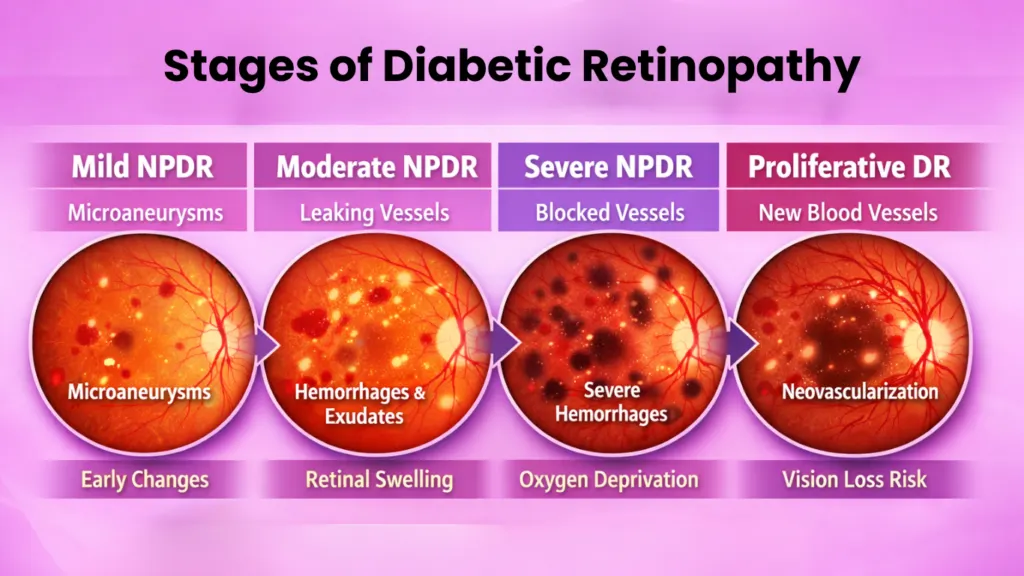
Retinal changes can progress from early vessel damage to advanced disease. Screening helps identify these stages before major vision loss.
Why early screening matters
Vision loss from advanced diabetic retinopathy is often irreversible. Screening helps identify retinal damage before vision changes become obvious, so the right intervention can begin earlier.
Screening pathway
AI-assisted retinal photography can help flag possible diabetic changes for clinical review, but it does not replace a dilated examination or an ophthalmologist's diagnosis. The dedicated AI eye screening page explains the individual clinic service, while Project C.A.R.E. explains the community outreach, screening and referral initiative developed with Vision Academy Bhopal.
You can also plan a diabetic eye checkup, compare treatment cost factors, review retina laser treatment, or learn about urgent retina symptoms and glaucoma treatment.
Treatment services
Detailed retina evaluation to detect early diabetic damage.
Assessment of individual risk based on diabetes duration and control.
Imaging may be used to document swelling, bleeding or other changes and guide treatment decisions.
Laser may reduce the risk of further vision loss in selected patterns or stages of retinopathy.
Injections may be advised for diabetic macular swelling or specific advanced retinal changes.
Surgery may be considered for non-clearing bleeding, traction or other advanced complications.
Doctors providing diabetic retina care
Senior Retina Surgeon & Ophthalmologist
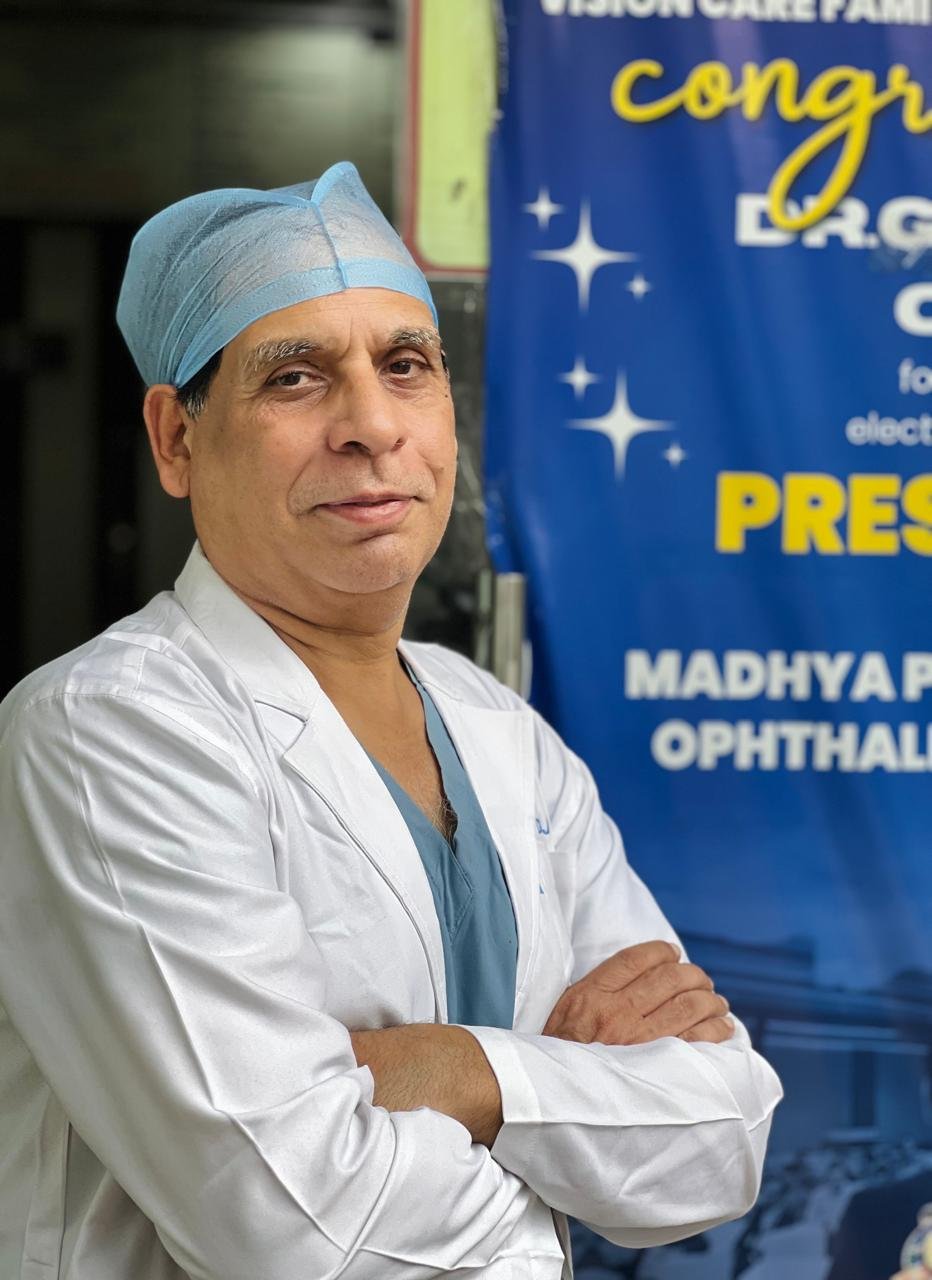
Senior retina surgeon with MBBS, MS and FMRF qualifications, more than 36 years of ophthalmology experience, and fellowship training in vitreo-retinal surgery at Sankara Nethralaya, Chennai.
Read Dr. Gajendra Chawla's profile
Vitreo-Retina Surgeon & Ophthalmologist
Vitreo-retina surgeon focused on diabetic eye disease, retinal imaging and treatment planning, with AI in Healthcare training from IIT Delhi and additional oculomics exposure.
Read Dr. Aashul Chawla's profileDiabetic retinopathy FAQs
It is treatable, and progression can often be slowed or controlled, but existing retinal damage may not fully reverse. Ongoing diabetes control and retina monitoring remain important even after successful treatment.
Yes. Early stages may have no symptoms. A dilated retina examination and imaging when indicated can detect changes before a person notices vision loss.
The plan depends on the stage and may include observation, tighter systemic control, injections, retinal laser or vitrectomy surgery. Not every patient needs a procedure.
Diabetic retinopathy care is provided by Dr. Gajendra Chawla, a senior retina surgeon and ophthalmologist, and Dr. Aashul Chawla, a vitreo-retina surgeon and ophthalmologist. The appropriate doctor and treatment plan depend on the retinal findings.
Important: New floaters, bleeding-like spots, a curtain or shadow, sudden blur or rapidly reduced vision need prompt retina assessment. Website information cannot determine whether damage is reversible.
Book a diabetic retina consultation
Call the hospital or send an appointment request on WhatsApp for diabetic retinopathy assessment and treatment planning.
Use WhatsApp for quick appointment requests and clinic coordination.
Book on WhatsApp