Diabetic retinopathy
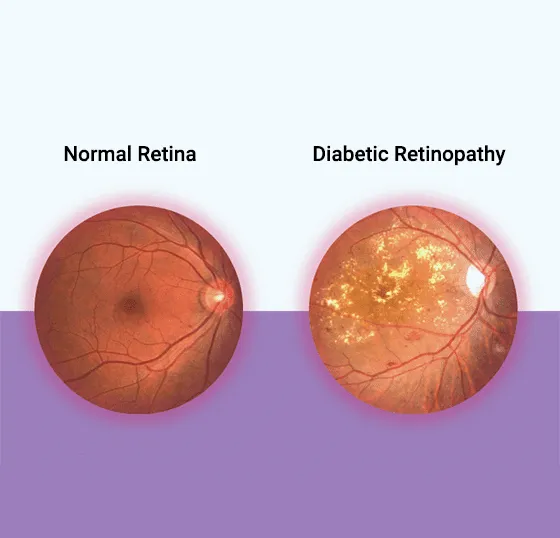
Features that may be associated with diabetes-related retinal vessel damage.
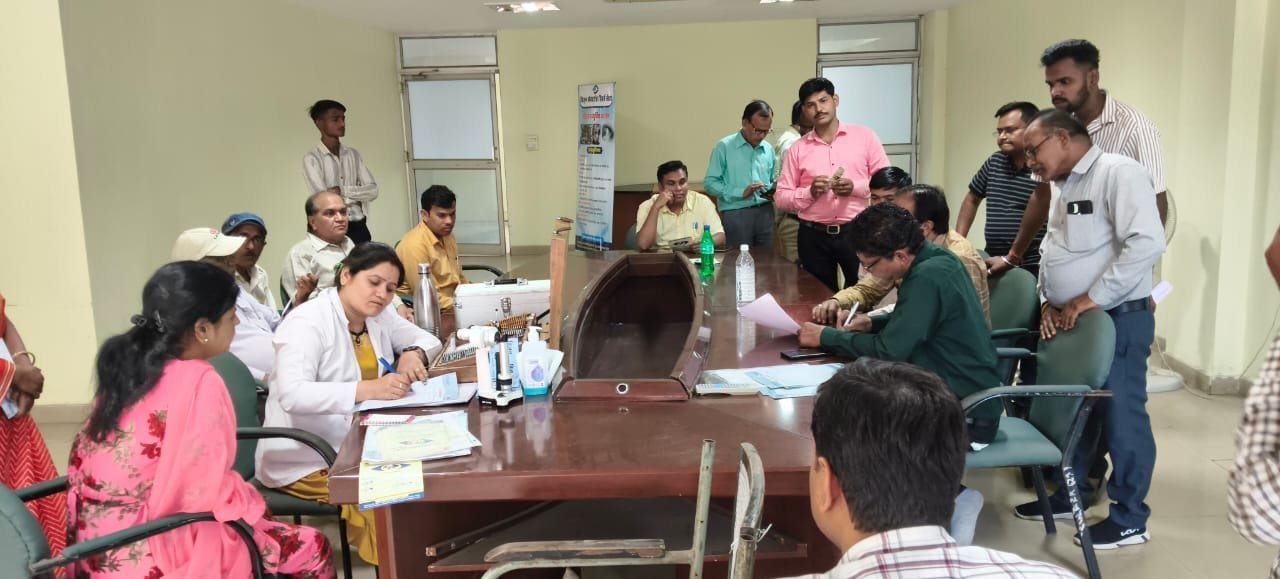
AI-assisted screening + community outreach
Chawla's AI-Based Retinopathy Evaluation
Advancing diabetic eye care through artificial intelligence, retinal imaging, specialist expertise, community outreach and early detection.
Developed by Vision Care & Research Centre in association with Vision Academy Bhopal.
The initiative
Project C.A.R.E. is an AI-assisted diabetic eye screening initiative created to help identify retinal damage earlier and connect people with appropriate specialist care. The programme combines retinal photography, offline AI-assisted analysis, retina-specialist validation, patient counselling and a structured referral pathway in one practical community workflow.
Why Project C.A.R.E. exists
Many people living with diabetes attend regular physician visits but do not receive a timely retinal examination. Because early diabetic retinopathy may not cause pain or obvious symptoms, retinal damage can remain unnoticed until vision is threatened.
Project C.A.R.E. helps bridge this gap by taking a structured screening and referral model into urban, semi-urban and rural communities.
Patients looking for an individual clinic appointment should visit the AI eye screening service page or the diabetic retinopathy treatment page.
An early regional model
Project C.A.R.E. is among the early organised community-based diabetic retinopathy screening initiatives in Madhya Pradesh to use AI-supported retinal evaluation in real-world outreach settings. Technology supports the workflow; trained teams, specialist oversight and referral planning keep it connected to clinical care.
Portable screening helps extend access beyond a hospital visit.
Analysis helps flag images; it does not replace an ophthalmologist.
People who need care are counselled and connected to further evaluation.
AI-assisted screening workflow
Each step is designed to move a person from awareness to an actionable next step, not simply produce an automated result.
Local partners help identify and mobilise people living with diabetes.
Trained staff capture digital photographs of the back of the eye.
Software reviews suitable images for patterns that may require attention.
A retina specialist reviews relevant findings and the need for further evaluation.
Patients receive guidance and a structured route to diagnosis or treatment.
What the workflow can flag
Screening supports early identification and prioritisation. A diagnosis still depends on clinical review and, when indicated, a complete eye examination.
Features that may be associated with diabetes-related retinal vessel damage.
Findings that warrant timely retina-specialist assessment and treatment planning.
Vascular or retinal changes that require clinical review beyond an automated result.
A connected care pathway
When an image or history suggests a possible problem, the person is advised to attend an appropriate specialist evaluation. Depending on the examination, the next step may include retinal imaging, OCT, monitoring, laser, intravitreal injections or retinal surgery.
A gradable image and an AI output cannot explain every cause of blurred vision or replace a dilated retinal examination. Urgent symptoms such as sudden vision loss, flashes, many new floaters or a dark curtain need direct eye assessment.
Review urgent retina warning signsPublic-health collaboration
Project C.A.R.E. supports diabetic-blindness prevention through camp partners, physician referral networks, community health initiatives and government-linked NCD clinic collaborations.
Practical alignment, not automated care.
Permissions, staffing, equipment, local referral capacity and follow-up arrangements are planned for each outreach setting. Participation in a screening camp does not replace ongoing diabetes care or a doctor-advised eye examination.
Powered by clinical and community teams
Project C.A.R.E. combines a clinical retina pathway with long-standing community outreach capacity.
Provides retinal expertise, diagnostic support, clinical validation and access to stage-appropriate diabetic eye treatment.
Meet the ophthalmology team
The community outreach and public-health partner supporting awareness, local mobilisation, eye camps and patient referral navigation.
Visit Vision Academy BhopalPreventing avoidable blindness through awareness, technology, early detection and timely treatment.
State-level recognition
Project C.A.R.E.'s combination of community outreach, emerging technology and structured diabetic-eye referral has received state-level recognition. These honours acknowledge work to improve awareness, screening uptake and earlier identification of vision-threatening disease.
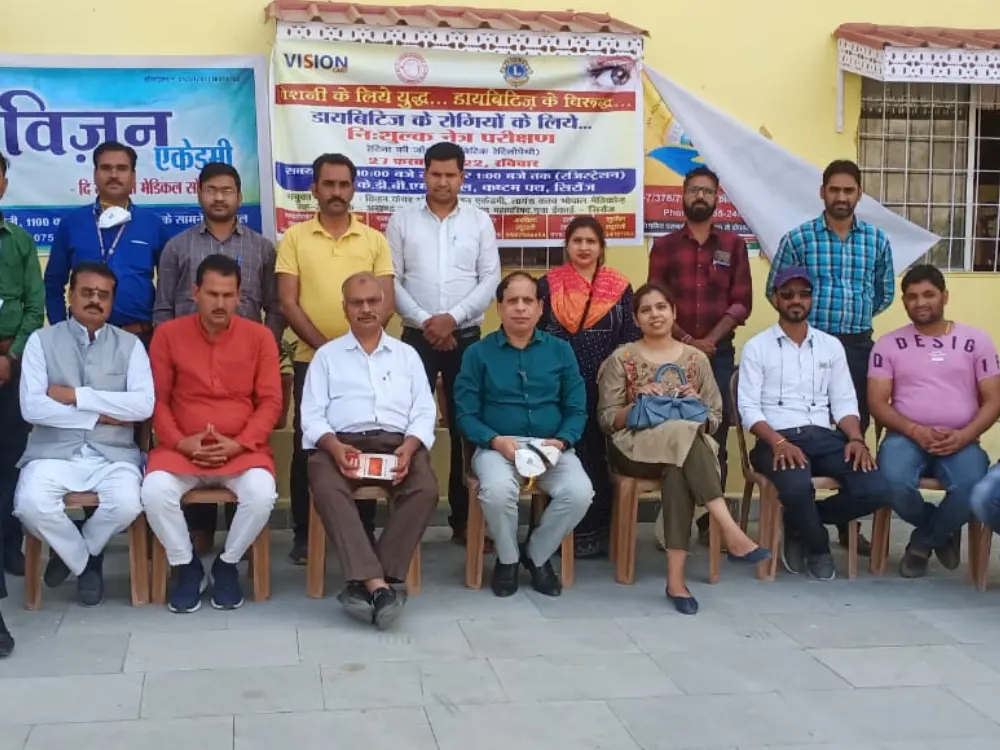
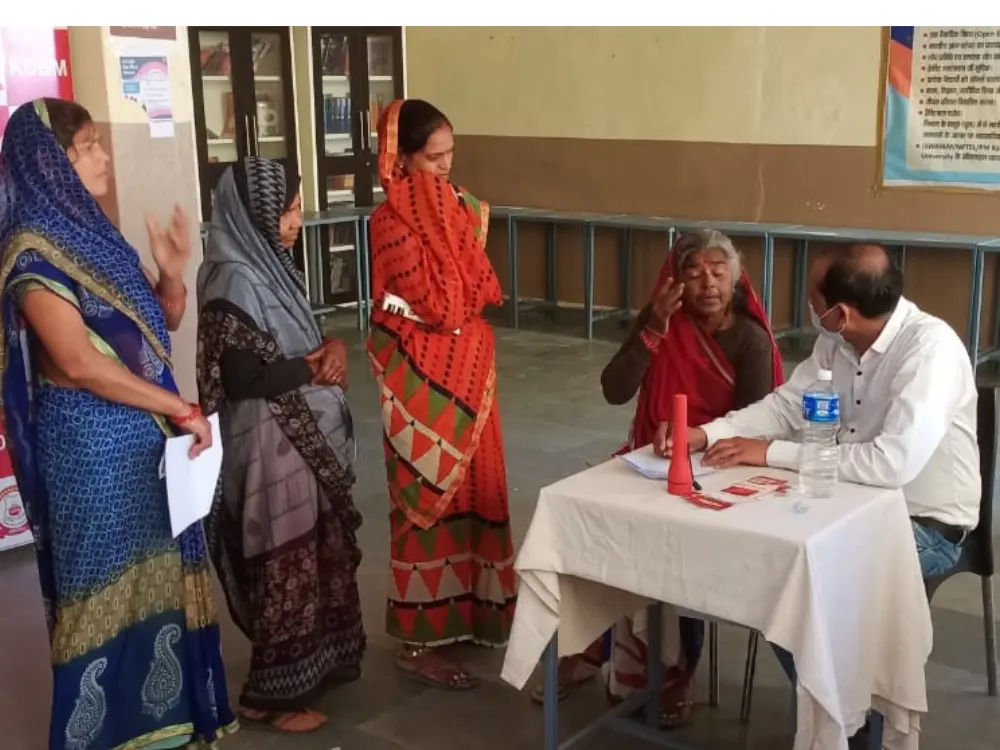
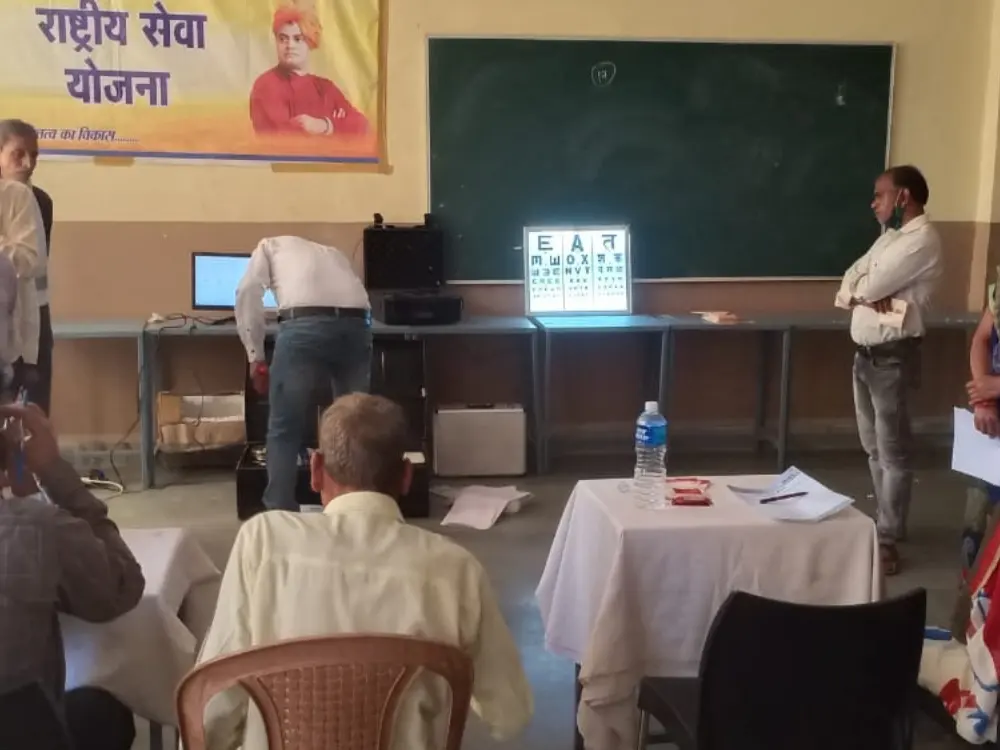
Community in practice
Project C.A.R.E. builds on practical community eye-care experience across screening camps, awareness programmes and linked clinical services.
The long-term vision
Project C.A.R.E. is designed as more than a single screening event. Its long-term aim is to connect awareness, AI-assisted retinal evaluation, specialist expertise, community participation and public-health partnerships so that more people across Madhya Pradesh and Central India can reach timely, sight-saving care.
Detect Early. Treat Early. Prevent Blindness.
Project C.A.R.E. FAQs
Project C.A.R.E. stands for Chawla's AI-Based Retinopathy Evaluation. It is a community diabetic eye screening initiative focused on early retinal evaluation, counselling and referral.
The initiative is developed by Vision Care & Research Centre, Bhopal, in association with Vision Academy Bhopal, combining clinical retina expertise with community outreach.
No. AI assists by analysing retinal images and flagging patterns that may need attention. Image quality, findings and referral decisions require specialist review.
The patient is counselled and directed to an appropriate retina evaluation pathway. Further care may include dilated examination, OCT or other imaging, laser, injections, monitoring or surgery depending on the diagnosis.
Community groups, institutions and health teams can contact Vision Academy Bhopal to discuss location, participant needs, permissions, screening workflow and referral planning.
Take the next step
For a community collaboration, contact Vision Academy Bhopal. For an individual diabetic retina appointment in Bhopal, contact Chawla's Vision Care.