What is glaucoma?
Glaucoma is a group of eye diseases that damage the optic nerve, the nerve that carries visual information from the eye to the brain. It is often associated with raised eye pressure, but optic nerve damage can occur even when pressure is within the normal range.
Vision loss from glaucoma is usually irreversible. The purpose of glaucoma treatment is to slow or stop progression by lowering eye pressure and monitoring the optic nerve over time.
Why glaucoma is called a silent disease
The most common form, open-angle glaucoma, may not cause pain or obvious early symptoms. A person can lose side vision gradually and still feel that central vision is normal. This is why routine screening matters, especially for adults above 40 years and people with risk factors.
Symptoms that need urgent attention
- Sudden severe eye pain with headache
- Sudden blurred vision or halos around lights
- Red eye with nausea or vomiting
- Rapid loss of vision in one eye
- New tunnel vision or difficulty seeing from the sides
Severe pain, halos, redness and nausea can suggest angle-closure glaucoma, which may be an emergency.
Who should get checked for glaucoma?
- Adults above 40 years, especially with family history of glaucoma
- People with high eye pressure or suspicious optic nerve findings
- Patients with diabetes, high myopia or previous eye injury
- People using steroid eye drops or long-term steroid medication
- Anyone with unexplained peripheral vision loss or frequent spectacle changes
Glaucoma diagnosis at an eye clinic
A complete glaucoma evaluation is more than a single eye pressure reading. The doctor may combine multiple tests to confirm risk and track progression:
- Eye pressure measurement, also called tonometry
- Optic nerve examination after dilatation when required
- OCT scan to measure optic nerve fibre layer thickness
- Visual field testing to check side vision
- Gonioscopy to assess the drainage angle of the eye
- Corneal thickness measurement, also called pachymetry
How glaucoma treatment is selected
Glaucoma treatment is personalized. The target eye pressure depends on optic nerve damage, stage of glaucoma, age, risk factors and rate of progression.
Eye drops
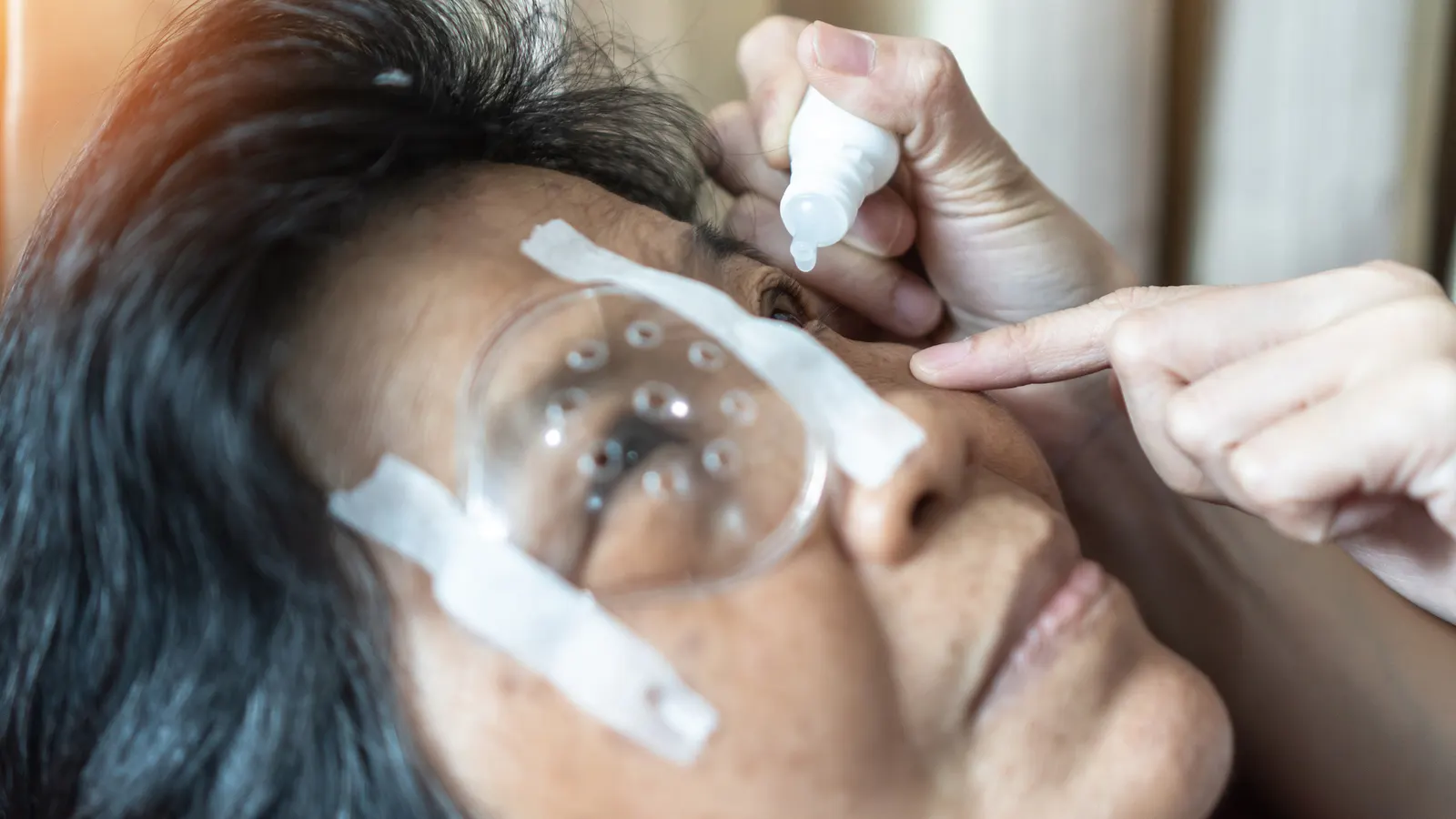
Prescription eye drops are commonly used to lower eye pressure. They work only when used regularly, so adherence and follow-up are essential.
Laser treatment
Laser may be advised in selected cases to improve fluid drainage or prevent angle-closure attacks. The type of laser depends on the anatomy and glaucoma type.
Surgery
If pressure is not controlled with medicines or laser, glaucoma surgery may be considered. Surgery aims to create a safer pressure range and protect remaining vision.
How Chawla's Vision Care supports glaucoma patients
The glaucoma treatment service in Bhopal provides structured eye pressure evaluation, optic nerve assessment and long-term monitoring. Patients with glaucoma often need lifelong care, so regular comparison of tests is as important as the first diagnosis.
Dr. Gajendra Chawla brings senior ophthalmology, retina and laser experience, which is helpful when glaucoma overlaps with diabetic retinopathy, retinal disease or cataract. Dr. Aashul Chawla supports modern eye evaluation and AI-assisted screening workflows, including additional exposure to AI in healthcare at IIT Delhi.
Related eye care guides
Continue to glaucoma treatment and monitoring, meet our eye doctors in Bhopal, explore retina specialist care, or read about diabetic retinopathy treatment and urgent retina symptoms.
View glaucoma treatment service
Patient note
This article is for education. Glaucoma diagnosis and treatment planning require an eye examination and tests advised by an ophthalmologist.