Premature infants
Babies born early may need ROP screening because the retinal blood vessels may still be developing after birth.
ROP clinic in Bhopal
Retinopathy of prematurity can affect babies born early or with low birth weight. Timely screening helps detect retinal changes early and plan treatment or follow-up when needed.
Book ROP screeningDirect answer for parents
Indian national guidance recommends screening babies born before 34 weeks or weighing under 2000 grams, plus other premature babies with neonatal risk factors. Many need their first examination by about four weeks after birth; very premature babies may need it at two to three weeks. The neonatologist and retina specialist must set the baby's exact date.
Why it matters
ROP is time-sensitive. Parents should follow the neonatologist or retina specialist's screening schedule even when the baby appears comfortable.
Babies born early may need ROP screening because the retinal blood vessels may still be developing after birth.
Low birth weight, oxygen support and neonatal complications can increase the need for careful retinal monitoring.
ROP may require repeat checks until the retina is mature or the specialist confirms that the risk has reduced.
Screening timeline
ROP usually cannot be recognised by looking at the baby's eyes. The safe approach is to follow the discharge advice and keep every scheduled retina appointment.
Ask the neonatal team whether gestational age, birth weight, oxygen support or other complications make ROP screening necessary.
Keep the exact screening date on the discharge summary and arrange the visit promptly if no date was provided.
The interval is based on retinal maturity and ROP findings, so it can be shorter than parents expect.
Treatment-requiring ROP has a limited window. Ask the specialist about timing, procedure and follow-up before leaving.
What happens at the visit?
Drops are used to widen the pupils. The retina specialist examines the developing retinal blood vessels and records whether the retina is mature, still developing or affected by ROP. The next date is based on these findings.
Share the baby's date of birth, gestational age at birth, birth weight, neonatal intensive-care history and any date advised by the neonatologist.
Send details on WhatsAppROP and retina care
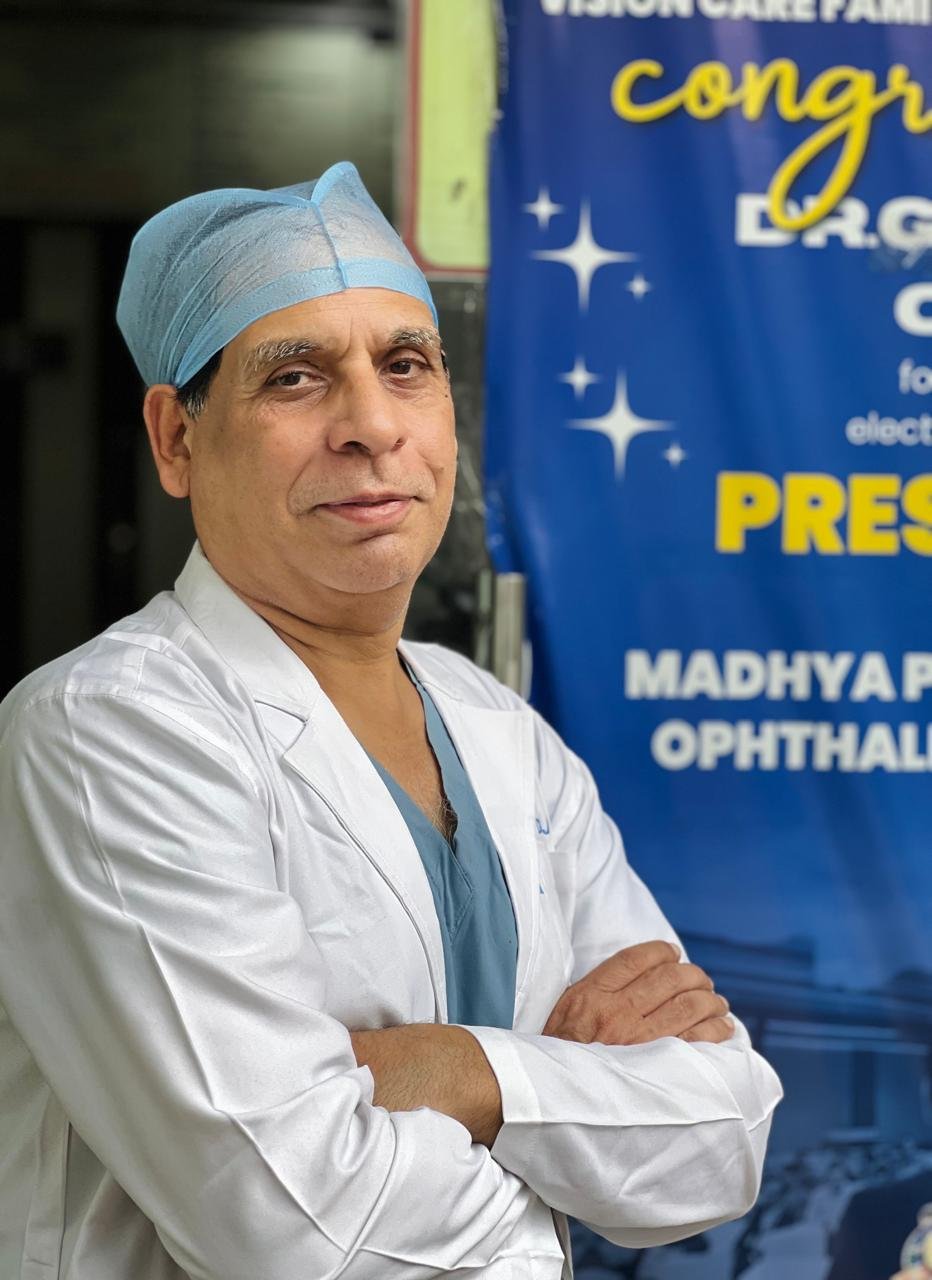
MBBS, MS, FMRF · Retina and ROP care
Senior retina specialist with more than 36 years of ophthalmology experience, fellowship training at Sankara Nethralaya, Chennai, and long-standing experience in retinopathy of prematurity.
Read doctor profileParent FAQs
Indian national guidance recommends screening babies born before 34 weeks or weighing under 2000 grams, and other premature or low-birth-weight babies with neonatal risk factors. The neonatal or retina team makes the final decision.
Many at-risk babies are screened by about four weeks after birth. Babies born before 28 weeks or weighing under 1200 grams may need the first examination at two to three weeks. Follow the exact date given by the treating team.
Dilating drops and specialised instruments are used. Babies can become briefly unsettled. The team uses appropriate comfort, monitoring and infection-control measures and explains what parents should expect.
Not always. Repeat checks may be required until the retinal blood vessels mature or the specialist confirms that the risk period has ended.
Treatment depends on stage and retinal findings. Options can include laser, intravitreal medicine or surgery in selected cases. The specialist explains urgency, benefits, risks and follow-up.
ROP appointment
Address: E-7/378 Arera Colony, opposite Hanuman Mandir, 1100 Quarters, Bhopal 462016
Hours: Mon - Sat, 10:00 AM - 8:00 PM
Call: 0755 2468191 or +91 98932 76207
Care pathway
If your neonatologist has advised ROP screening, call the clinic and share the baby's birth date, gestational age and discharge details.
Book on WhatsApp