A stable adult prescription
Bring earlier prescriptions to discuss whether your number is stable. A changing number, pregnancy, breastfeeding or some medical conditions may mean postponing surgery.
Refractive surgery assessment
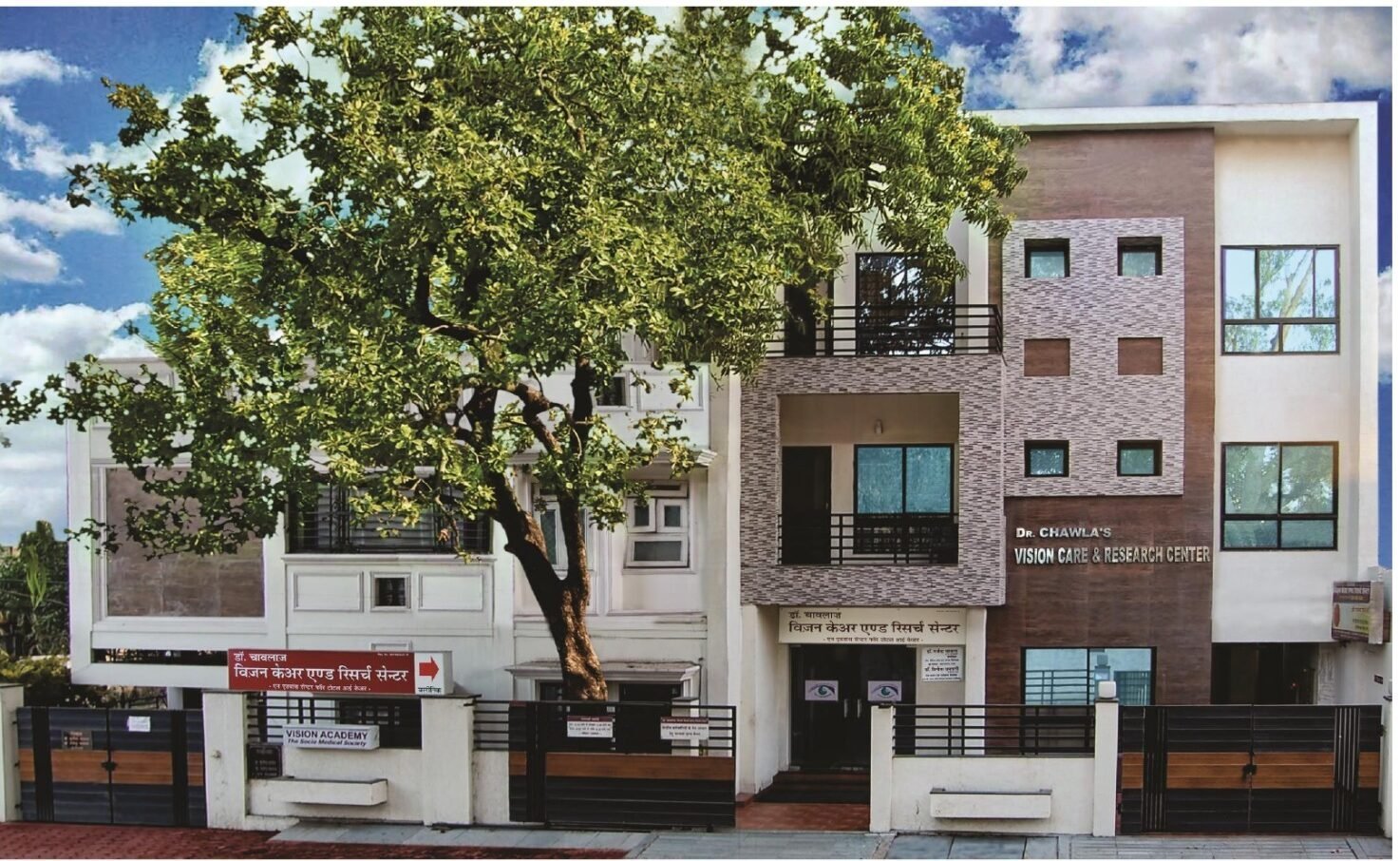
Considering less dependence on glasses? Start with an eye assessment at Chawla's Vision Care in Arera Colony. Your prescription, corneal health and everyday visual needs help guide the discussion.
Understanding the condition
LASIK changes the focusing power of the eye by reshaping the cornea. A spectacle number alone cannot establish eligibility. The aim is reduced dependence on glasses, not a guarantee of perfect vision or lifelong freedom from spectacles.
When to seek advice
Bring earlier prescriptions to discuss whether your number is stable. A changing number, pregnancy, breastfeeding or some medical conditions may mean postponing surgery.
Discuss work, sport, contact-lens comfort and night-driving needs. These help define both the benefit you want and the visual side effects that would matter to you.
Thin or irregular corneas, keratoconus and significant dry eye need careful evaluation. Bring any scans and the reason a previous surgeon advised against LASIK.
Patient guidance: FDA: LASIK suitability.
Your assessment
The work-up considers corrected vision, prescription stability, corneal mapping and thickness, tear-film health and other eye disease. The treating surgeon must confirm suitability, the procedure and the operating facility before booking.
Treatment planning
Different refractive procedures suit different eyes. Ask why an approach is appropriate for your measurements and what the alternatives are if LASIK is unsuitable.
Surgery is elective. Spectacles and properly fitted contact lenses remain reasonable choices; take time to consider the expected benefit and follow-up commitment.
Dry eye, glare, halos, under- or over-correction and residual spectacle needs can occur. Infection, flap complications and loss of visual quality are also possible. Ask about your individual risk.
Patient guidance: FDA: risks and choosing a surgeon.
Continuing care
Ask how long to stop contact lenses before measurements; the interval depends on lens type. After surgery, follow the operating team's instructions for drops, activities and reviews. Worsening vision or significant pain needs prompt contact with the treating team.
Request a written estimate covering the proposed procedure, surgeon, facility, scans, medicines and follow-up. Confirm what is charged separately. A consultation does not include surgery, and insurance cover for elective spectacle removal should be checked with the insurer.
Confirm the relevant specialist, tests and procedure location with the clinic before scheduling treatment.
Visit Vision Care
E-7/378 Arera Colony, opposite Hanuman Mandir, 1100 Quarters, Bhopal 462016.
Monday to Saturday: 10:00 AM - 8:00 PM. Sunday closed.
Mobile calls: +91 98932 76207. WhatsApp: +91 96850 57723.
Dr. Gajendra Chawla
Senior Retina Surgeon & Ophthalmologist
Dr. Aashul Chawla
Vitreo-Retina Surgeon & Ophthalmologist
The eye examination guides further care and referral to an appropriate subspecialist when needed.
LASIK & Spectacle Removal FAQs
You may. Residual prescription, later changes and age-related near-vision needs can still require spectacles.
LASIK is generally unsuitable for keratoconus. A corneal surgeon should assess safer options for an irregular or weakened cornea.
No. Prescription stability, corneal measurements, dry eye, other eye disease and general health affect suitability.
Resume driving only when your surgeon confirms that your vision and recovery allow it. Arrange transport for the procedure and early reviews.
Begin with assessment. Confirm the procedure, surgeon, operating location, expected outcome and written estimate before making a surgical booking.
Patient references
This guide supports a consultation; individual treatment depends on examination findings.